


Essential Steps to Effectively Prepare for an IRS Audit
Facing an IRS audit can feel overwhelming, but being well-prepared can make the process much smoother. Understanding what to expect and how to organize your information will help you respond confidently and accurately. This guide walks you through practical steps to prepare for an IRS audit, helping you protect your interests and reduce stress.

Understand What Triggers an IRS Audit
Knowing why the IRS selects certain returns for audit helps you avoid common pitfalls. Audits often arise from:
Large discrepancies between reported income and third-party data
Unusually high deductions compared to income
Random selection or computer screening
Specific issues flagged in prior returns
For example, claiming excessive charitable donations without proper receipts or reporting inconsistent income figures can raise red flags. Recognizing these triggers allows you to review your tax return carefully before filing and keep supporting documents organized.
Gather and Organize Your Records
The IRS will request documentation to verify your reported income, deductions, and credits. Collecting these materials early saves time and reduces anxiety. Essential records include:
W-2s, 1099s, and other income statements
Receipts for deductible expenses such as medical bills, business costs, or charitable contributions
Bank statements and canceled checks
Previous tax returns and any correspondence with the IRS
Use folders or digital files labeled by category and year. This system helps you quickly locate documents during the audit. For example, if you claimed a home office deduction, have utility bills and a floor plan ready to demonstrate the space used for work.
Review Your Tax Return Thoroughly
Before the audit, revisit your tax return line by line. Confirm that all figures match your records and that you can explain any unusual entries. If you discover errors, consider amending your return before the audit begins. This proactive step can reduce penalties and show good faith.
Pay special attention to:
Income sources and amounts
Deductions and credits claimed
Business expenses and mileage logs
Any carryover items from previous years
Being familiar with your return helps you answer auditor questions clearly and accurately.
Understand the Types of IRS Audits
IRS audits vary in scope and format. Knowing the differences prepares you for what to expect:
Correspondence audit: Conducted by mail, this is the most common and usually involves simple document requests.
Office audit: Takes place at an IRS office where you meet with an auditor to discuss specific issues.
Field audit: The most comprehensive, conducted at your home, business, or accountant’s office, often involving detailed examination.
Each type requires different preparation levels. For example, an office audit demands you bring all requested documents and be ready to discuss your return in person.
Consider Professional Help
If your audit involves complex issues or large amounts, hiring a tax professional can be valuable. Certified Public Accountants (CPAs), Enrolled Agents (EAs), or tax attorneys understand IRS procedures and can represent you. They help:
Interpret IRS notices and requests
Prepare responses and documentation
Negotiate on your behalf if adjustments are proposed
Even if you plan to handle the audit yourself, consulting a professional for advice can improve your confidence and outcomes.
Prepare for the Audit Meeting
If your audit requires a meeting, plan ahead to make it productive:
Bring all requested documents and a copy of your tax return
Prepare a list of questions or points you want to clarify
Stay calm and answer questions honestly and succinctly
Take notes during the meeting for your records
Avoid volunteering extra information beyond what is asked. Stick to facts and provide clear explanations supported by your documents.
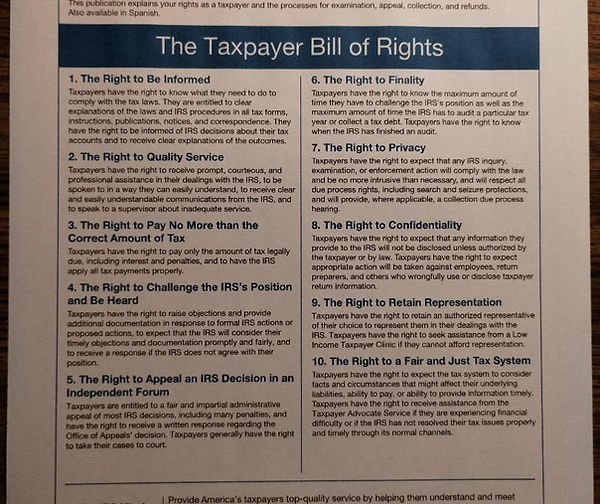
Know Your Rights During an IRS Audit
The IRS must follow rules that protect taxpayers. You have the right to:
Be informed about the audit process and why you were selected
Professional and courteous treatment
Privacy and confidentiality of your information
Representation by a tax professional
Appeal any IRS decision you disagree with
Understanding these rights helps you feel empowered and ensures the audit proceeds fairly.
Keep Communication Clear and Timely
Respond promptly to all IRS correspondence. Ignoring letters or missing deadlines can lead to penalties or enforced collection actions. If you need more time, request an extension in writing before the deadline.
Use certified mail or other traceable methods when sending documents. Keep copies of everything you submit. Clear, timely communication builds trust and can prevent misunderstandings.
Learn How to Handle Audit Outcomes
After reviewing your information, the IRS will either accept your return as filed or propose changes. If changes occur, you may owe additional tax, interest, and possibly penalties. You can:
Agree and pay the amount due
Request a payment plan if you cannot pay immediately
Appeal the decision through IRS appeals or tax court if you disagree
Knowing your options helps you respond effectively and avoid unnecessary costs.
Maintain Good Records for the Future
An audit can highlight areas where your record-keeping needs improvement. Going forward:
Keep receipts and documents organized by category and year
Use accounting software or spreadsheets to track income and expenses
Retain records for at least three to seven years, depending on the document type
Review your tax return carefully before filing
Good habits reduce audit risk and make any future audits easier to handle.


Comments