


Understanding the Taxpayer Bill of Rights and Its Impact on You
Paying taxes can feel overwhelming, especially when you’re unsure about your rights as a taxpayer. The Taxpayer Bill of Rights exists to protect you and ensure fair treatment during tax processes. Knowing these rights can help you navigate tax issues with confidence and avoid unnecessary stress. This post explains what the Taxpayer Bill of Rights means, how it affects you, and practical steps to use it effectively.

What Is the Taxpayer Bill of Rights?
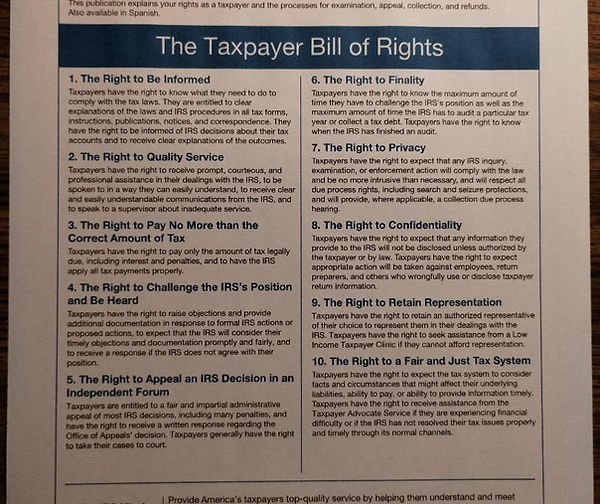
The Taxpayer Bill of Rights is a set of principles designed to protect individuals and businesses during tax collection and enforcement. It outlines the standards the tax authority must follow when interacting with taxpayers. These rights aim to create transparency, fairness, and respect in the tax system.
The concept first gained traction in the United States in 2014 when the Internal Revenue Service (IRS) formally introduced ten fundamental rights. Many countries have similar protections, though the details may vary. The core idea remains the same: taxpayers deserve clear communication, privacy, and fair treatment.
Key Rights Every Taxpayer Should Know
Understanding your rights helps you avoid confusion and assert yourself when dealing with tax authorities. Here are some of the most important rights included in the Taxpayer Bill of Rights:
The Right to Be Informed
You have the right to clear explanations about tax laws, procedures, and your obligations. Tax authorities must provide timely and accurate information.
The Right to Quality Service
Tax agencies should offer prompt, courteous, and professional assistance. You can expect help in understanding your tax responsibilities.
The Right to Pay No More Than the Correct Amount of Tax
You should only pay the exact amount legally owed, no more. If you believe there is an error, you can challenge it.
The Right to Challenge the IRS’s Position and Be Heard
You can appeal decisions and present your case before any enforcement action.
The Right to Privacy
Your tax information must be kept confidential and protected from unauthorized disclosure.
The Right to Confidentiality
Tax authorities cannot share your information without your consent, except as allowed by law.
The Right to Retain Representation
You can hire a tax professional or attorney to represent you during audits or disputes.
The Right to a Fair and Just Tax System
The tax system should be equitable and provide mechanisms to resolve disputes fairly.
How the Taxpayer Bill of Rights Affects You
Knowing these rights can change how you approach tax matters. For example, if you receive a notice from the tax authority, you can request a clear explanation instead of feeling intimidated. If you disagree with an assessment, you have the right to appeal and present evidence.
These rights also protect you during audits. The tax agency must follow proper procedures and respect your privacy. If you feel your rights are violated, you can file a complaint or seek legal advice.
Practical Examples
Example 1: Receiving a Tax Notice
Imagine you get a letter saying you owe additional tax. Instead of panicking, you can use your right to be informed by contacting the tax agency for a detailed explanation. If the explanation is unclear, you can ask for further clarification or consult a tax professional.
Example 2: Facing an Audit
During an audit, the tax officer must respect your right to privacy and confidentiality. You can have a representative present and request that the audit be conducted at a reasonable time and place.
Example 3: Disagreeing with a Tax Decision
If you believe the tax agency made a mistake, you can challenge the decision. This might involve filing an appeal or requesting a review. The right to be heard ensures your side is considered before any final action.

Tips for Using Your Taxpayer Rights Effectively
Keep Records Organized
Maintain copies of all tax documents, notices, and correspondence. Good records support your case if you need to challenge a decision.
Ask Questions Early
If you don’t understand something, ask the tax authority or a tax professional. Early clarification can prevent bigger problems later.
Use Professional Help When Needed
Tax laws can be complex. Hiring a qualified tax advisor can help you understand your rights and obligations.
Respond Promptly to Notices
Ignoring tax notices can lead to penalties. Use your right to be informed and respond within deadlines.
Know Where to File Complaints
If you believe your rights were violated, find out how to file a complaint with the tax agency or an independent oversight body.

Final Thoughts on the Taxpayer Bill of Rights
The Taxpayer Bill of Rights gives you tools to protect yourself and ensure fair treatment in tax matters. Understanding these rights helps you approach tax issues with confidence and clarity. Whether you are filing returns, responding to notices, or facing audits, knowing your rights can make a significant difference.
Take the time to learn about your rights and keep them in mind during any tax interaction. If you feel overwhelmed, seek professional advice. Remember, the tax system is designed to be fair, and your rights are there to support you.



Comments